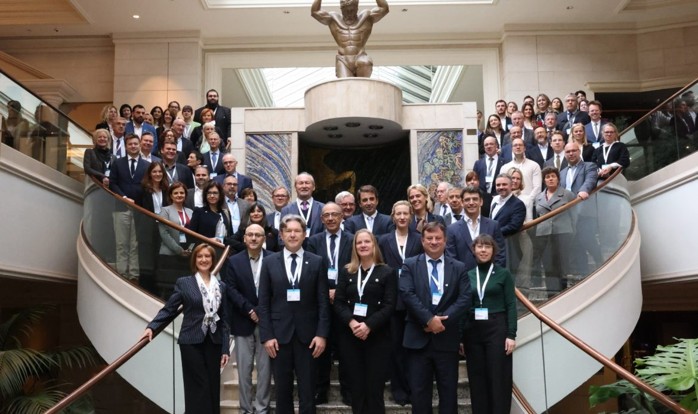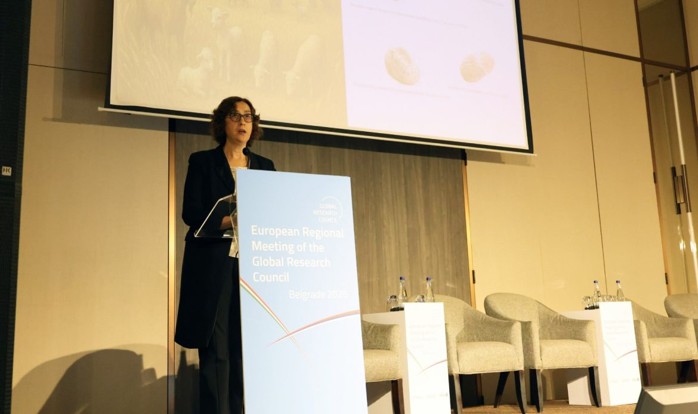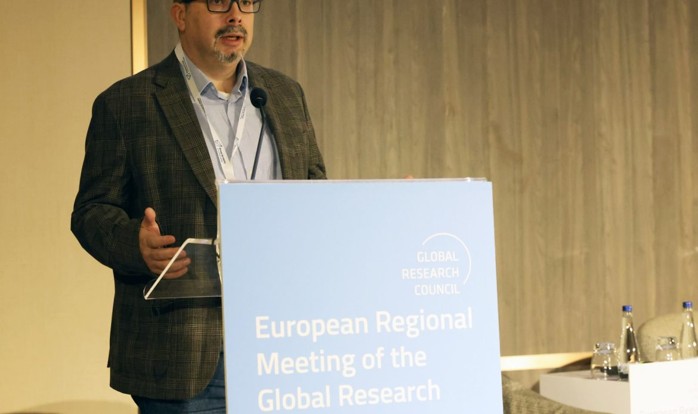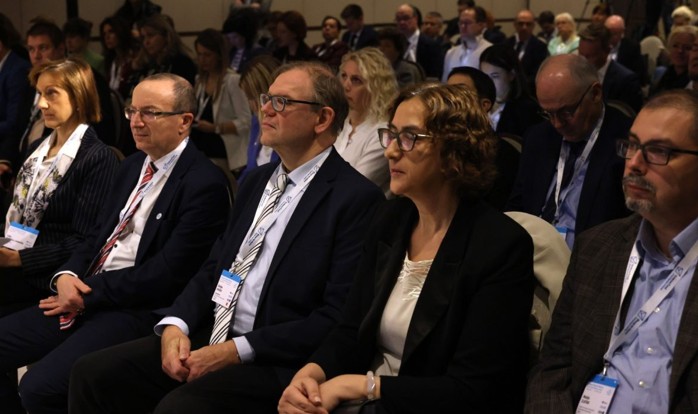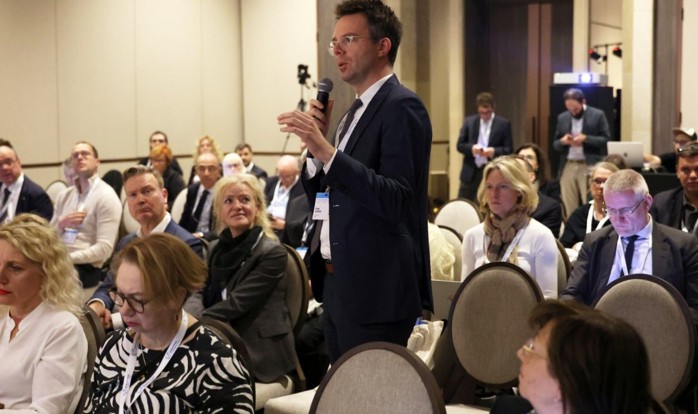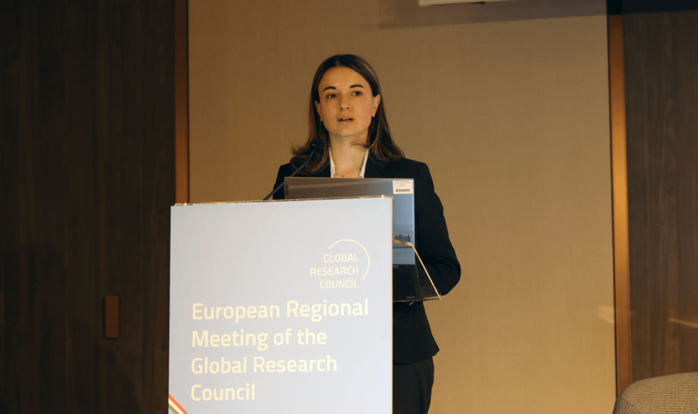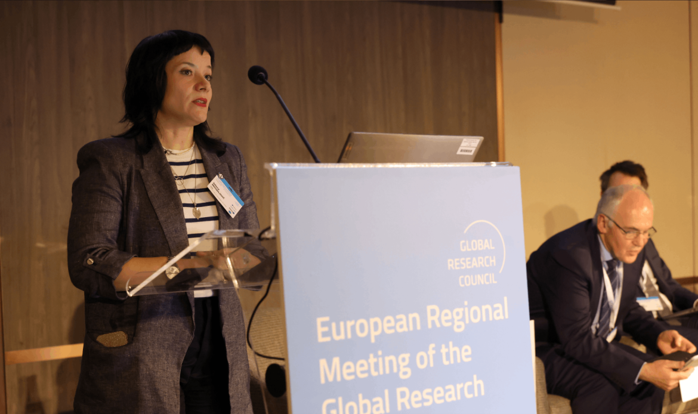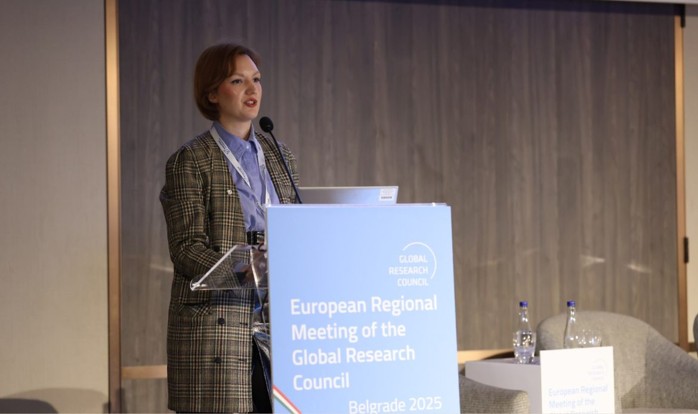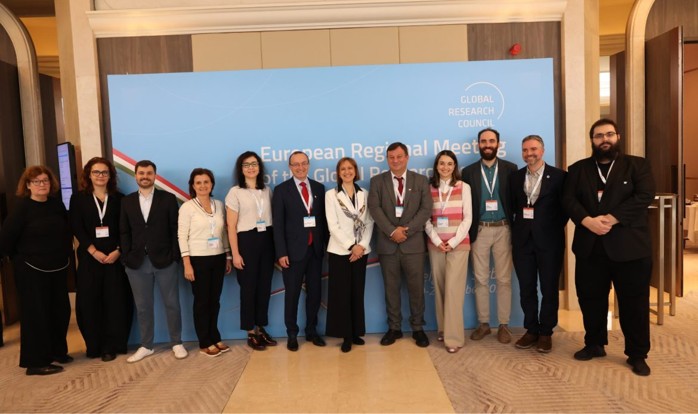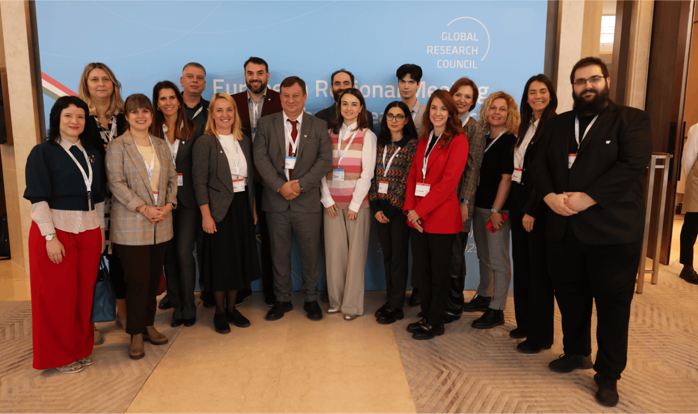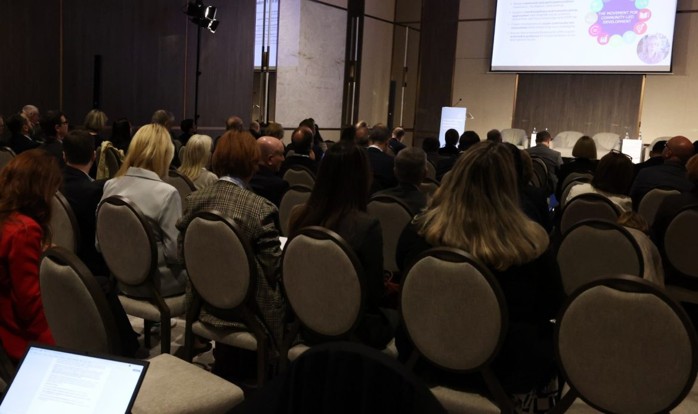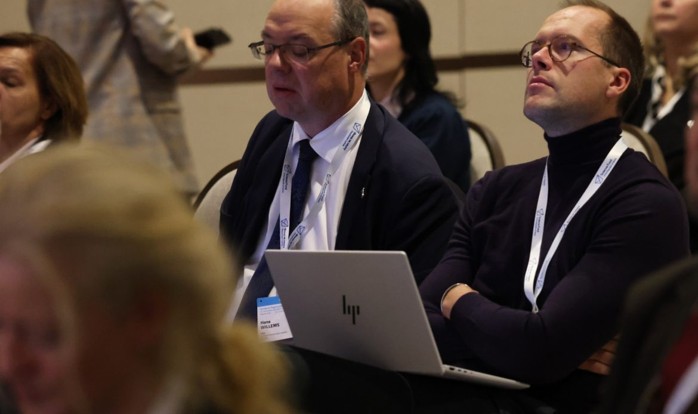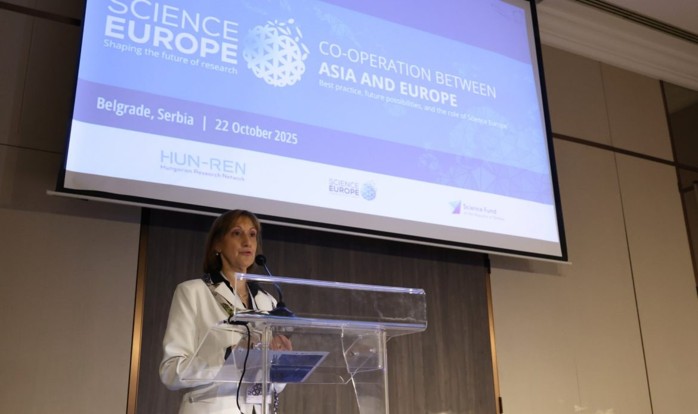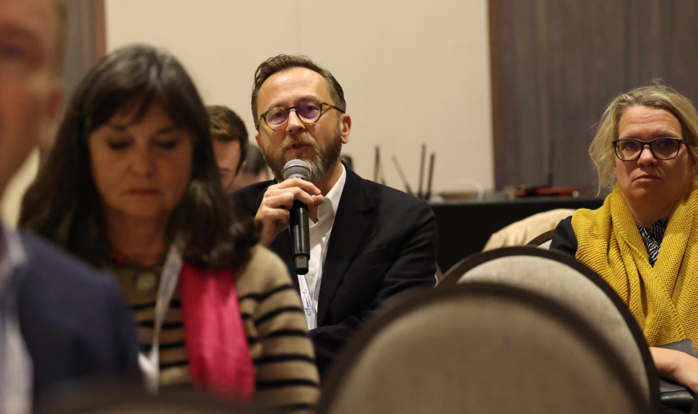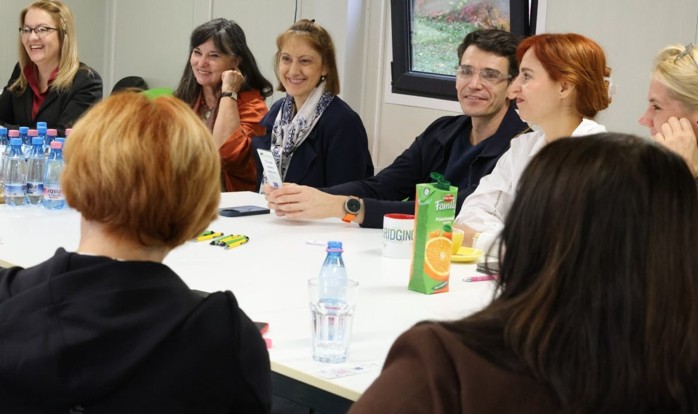


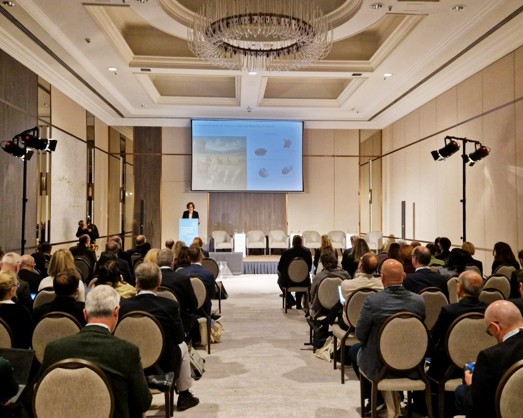
The Science Fund of the Republic of Serbia, together with the international organization Science Europe and the Hungarian Research Network (HUN-REN), organized the European Regional Meeting of the Global Research Council (GRC), held from 20 to 23 October in Belgrade.
The Global Research Council (GRC), of which the Science Fund is a member, brings together national science funding agencies from around the world and is dedicated to promoting cooperation and the exchange of good practices in the field of funding scientific research projects. The European Regional Meeting represents one of the most important meetings within the GRC framework, and this year it brought together more than 60 representatives of leading European institutions responsible for funding science, as well as representatives of influential funding organizations from China, Japan, Thailand, and Pakistan.
The organization of the European Regional Meeting represented an exceptional opportunity for the international recognition of the Science Fund and the Republic of Serbia as a significant partner in the development of science and innovation at both European and global levels.
Open Science and Artificial Intelligence for Equality, Justice, and Sustainability
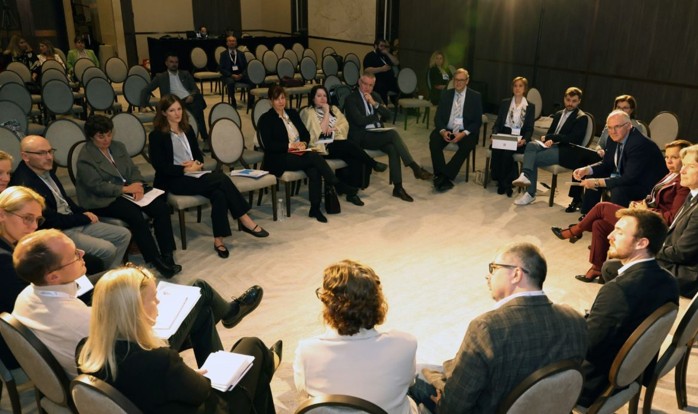
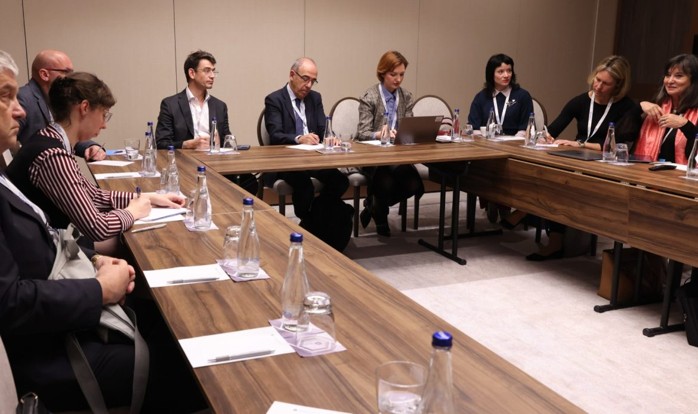
During the first day of the European Regional Meeting of the GRC, participants discussed open science and the use of artificial intelligence in research. Open science views knowledge as a global public good, considers global social inequalities, and uses artificial intelligence technologies to enhance connectivity and the sharing of research results, infrastructure, and data. On the first day of the meeting, participants attended opening speeches and a panel discussion on open science and AI in research and took part in discussion groups dedicated to addressing questions from the GRC discussion paper: “Open Science and Artificial Intelligence for Equality, Justice, and Sustainability.”
Dr. András Stipsicz from the HUN-REN Alfréd Rényi Institute of Mathematics and member of the Scientific Council of the European Research Council (ERC) emphasized in his opening remarks the importance of investing in institutional capacity-building in research systems in EU Widening Countries in order to increase their participation in ERC programmes.
Professor Sofia Stefanović, PhD, full professor at the Faculty of Philosophy, University of Belgrade, highlighted in her keynote speech on open science the importance of time as a key condition for in-depth research, reflection, and scientific discussion. She stressed that open science must fund not only projects but also long-term processes that enable innovation and ensure accessibility of knowledge for all.
Dr. Sirinun Kulchat from the Thailand Science Research and Innovation Agency (TSRI) presented the GRC discussion paper “Open Science and Artificial Intelligence for Equality, Justice, and Sustainability,” which served as the basis for discussions on the first day of the meeting. The paper explores how the GRC can promote equitable participation in the global knowledge system and accelerate the development of open science through the application of artificial intelligence. Special emphasis was placed on the need for public platforms that enable validation and linking of research outputs and large datasets.
Dr. Matija Zlatar, Scientific Advisor at the Institute of Chemistry, Technology and Metallurgy in Belgrade, emphasized in his keynote address that the essence of science lies in dialogue and collaboration rather than competition, and that open science must imply transparency, accountability, trust, and openness. He noted that open science is not merely a slogan, but a structural transformation involving a range of processes across different sectors and the creation of public policies aligned with the actual practices of researchers.
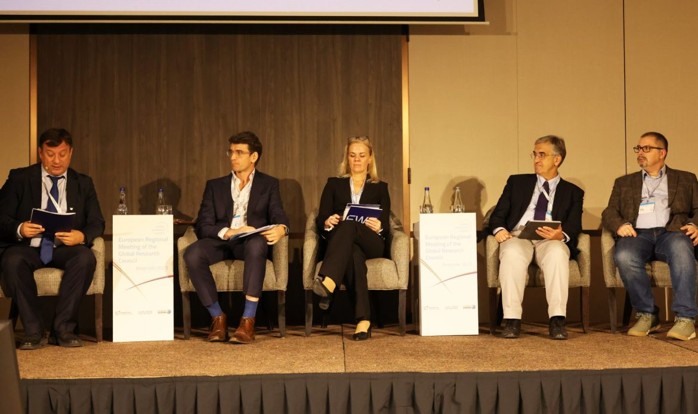
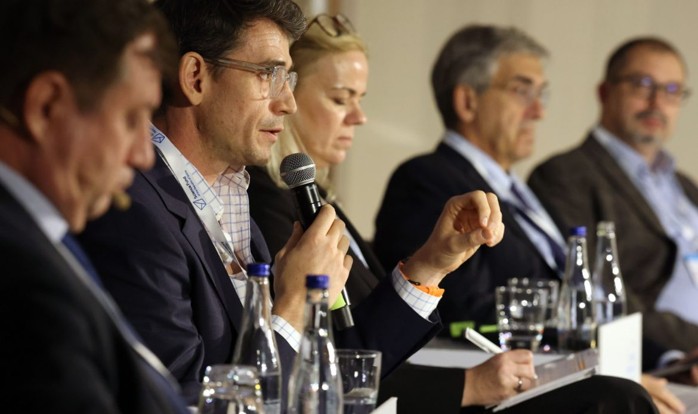
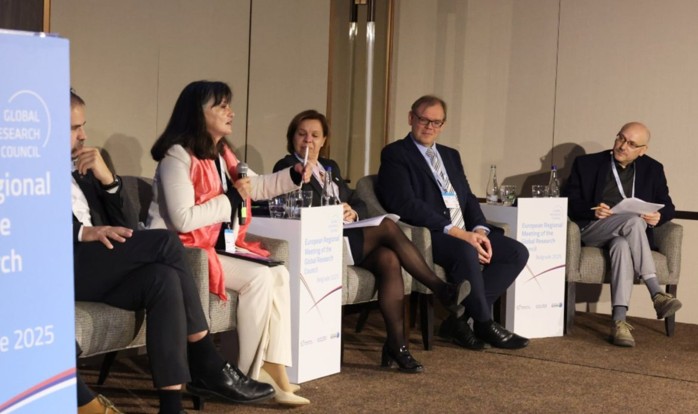
A panel titled “Open Science and Artificial Intelligence for Equality, Justice, and Sustainability” was also held on the first day of the meeting. Panel participants discussed how the GRC can promote science that is open to all, how artificial intelligence tools within open science can accelerate research and technology transfer, and what type of public infrastructure is needed to enable validation of scientific results, comparison with large existing datasets, and responsible sharing of knowledge.
Panel participants discussed these topics from different perspectives, including research funding, legal aspects, and research policy. The panel featured Thibaut Canta, Deputy Director General for Science at the French National Research Agency (ANR); Thomas Margoni, Professor of Intellectual Property Law at KU Leuven, Belgium; Elvysa Zojmenicht, Head of Legal Affairs at the Austrian Science Fund (FWF); Dimitrios Fotiadis, Professor of Biomedical Engineering at the University of Ioannina, Greece; and Matija Zlatar, Scientific Advisor at the Institute of Chemistry, Technology and Metallurgy, University of Belgrade. The panel was moderated by Professor Nenad Filipović, PhD, Acting Director of the Science Fund of the Republic of Serbia.
Sustainable Research for Sustainable Communities
The second day of the European Regional Meeting of the GRC was dedicated to discussions on creating sustainable research that can serve sustainable communities.
Dr. Ursula Aicher, Head of the Next Generation Cities Institute at Concordia University in Montreal, presented the GRC discussion paper “Sustainable Research for Sustainable Communities,” which served as the basis for discussions on the second day of the meeting.
Research, particularly when publicly funded, should serve communities at local, national, and global levels. The first step toward improving sustainable solutions for communities is ensuring sustainability in the organization, management, and implementation of research. The discussion paper emphasized that an effective research ecosystem serving society must be socially and economically sustainable, with a stable foundation and a predictable environment in terms of academic careers, financing, and infrastructure.
Participants discussed sustainable academic career systems for researchers, public policies that can support financial sustainability of research in a rapidly changing global context, and the role of research organizations in fostering synergy between financial, social, and environmental sustainability.
In a keynote speech, Dr. Zoltán Diveki, Deputy Director General of the Agricultural Research Centre of HUN-REN, stated that through a combination of artificial intelligence, green technologies, and international cooperation, a model of research is being developed that sustainably transforms communities. He emphasized that research serving society must be sustainable in terms of people, knowledge, infrastructure, and trust.
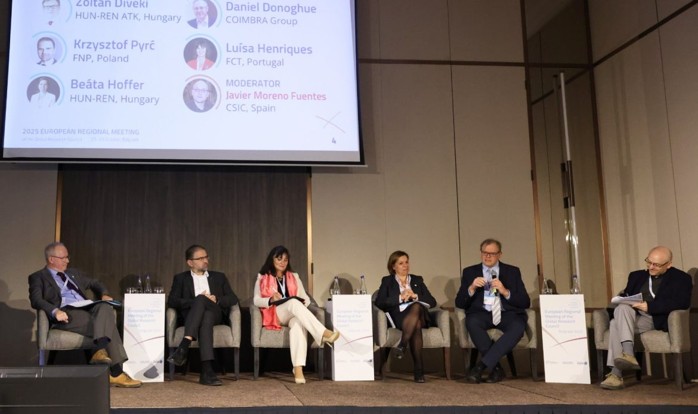
A panel discussion on research sustainability included Zoltán Diveki, Denis Donoghue, Member of the Executive Board of the Coimbra Group, Krzysztof Pyrć (FNP), President of the Foundation for Polish Science, Luíza Henriques, Senior Policy Analyst and Board Advisor at the Portuguese Foundation for Science and Technology (FCT), and Beata Hoffmann, Deputy Director General for Operations at HUN-REN. The panel was moderated by Javier Moreno Fuentes, Vice President for International Relations at the Spanish National Research Council (CSIC) and Vice President of Science Europe.
Science Europe Workshop: Asia–Europe Collaboration – Best Practices, Future Opportunities, and the Role of Science Europe
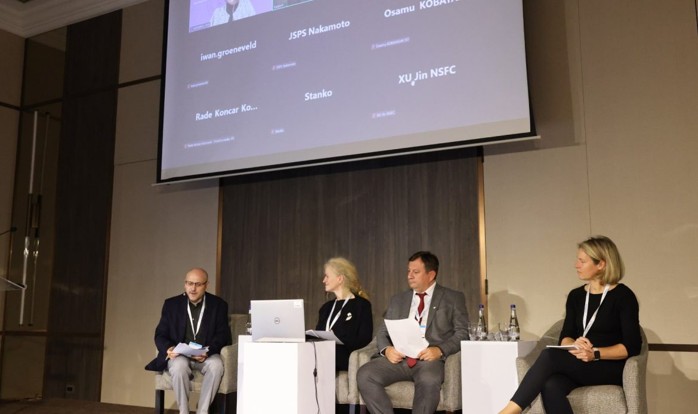
Following the conclusion of the European Regional Meeting of the Global Research Council in Belgrade, a workshop dedicated to Asia–Europe cooperation was held. Science Europe launched a series of workshops focused on equitable collaboration between Europe and other global regions in science and research. At this workshop, representatives of European and Asian organizations discussed opportunities for enhancing international cooperation and the role of Science Europe in this process.
In her opening remarks, Dr. Lidia Borrell-Damián, Secretary General of Science Europe, emphasized that open, inclusive, and equitable cooperation is key to the development of global science. She noted that, building on previous meetings with other global regions, it is important to define new partnership models and implement joint activities with Asian partners.
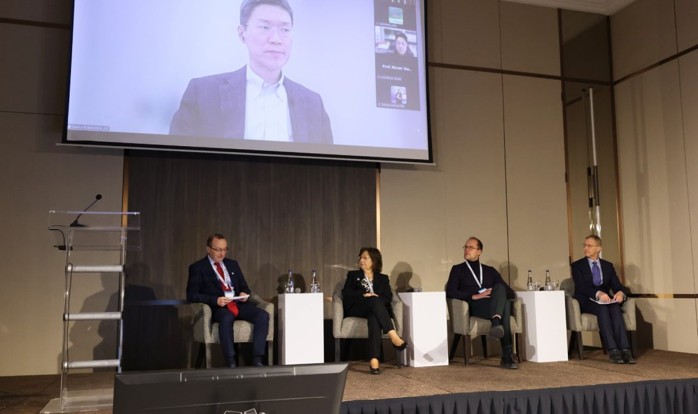
During two panel discussions, participants shared experiences in international cooperation, presenting both positive and challenging aspects in order to assess opportunities for improving collaboration between Asia and Europe. They also discussed ways to establish knowledge-sharing networks and develop successful cooperation models in research between Asian and European organizations.
The first panel on Asia–Europe cooperation featured Osamu Kobayashi from the Japan Science and Technology Agency (JST), Anna Di Ciaccio from the National Institute for Nuclear Physics (INFN), Xu Jin from the National Natural Science Foundation of China (NSFC), Barry Bonenkamp from the Netherlands Organisation for Scientific Research (NWO), and Gregory Absillis from the Research Foundation Flanders (FWO). The panel was moderated by Gyula Szűmügi from the Hungarian Research Network (HUN-REN).
The second panel on shaping future reciprocal Asia–Europe cooperation featured Akiyo Hoshino from the Japan Society for the Promotion of Science (JSPS), Kristin Danielsen from the Research Council of Norway (RCN), Nenad Filipović from the Science Fund of the Republic of Serbia, and Helena Bourguignon from the National Research Fund of Luxembourg (FNR). The panel was moderated by Javier Moreno Fuentes from CSIC.
Study Visits within the Framework of the European Regional Meeting
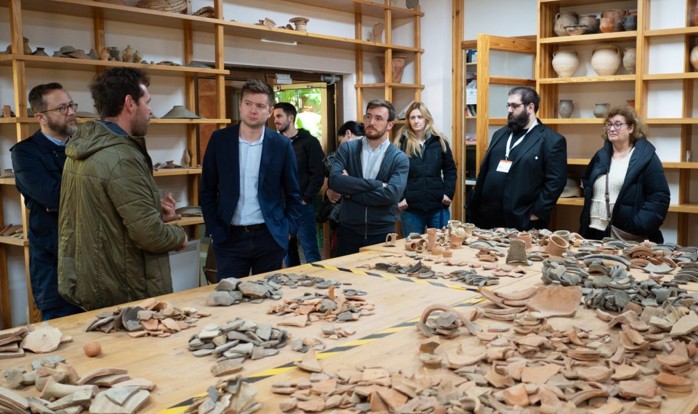
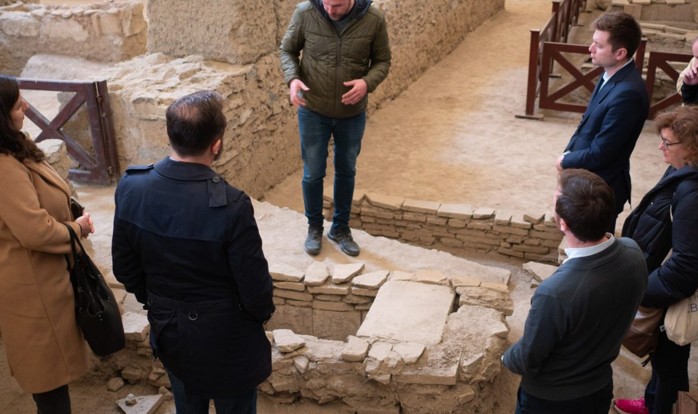
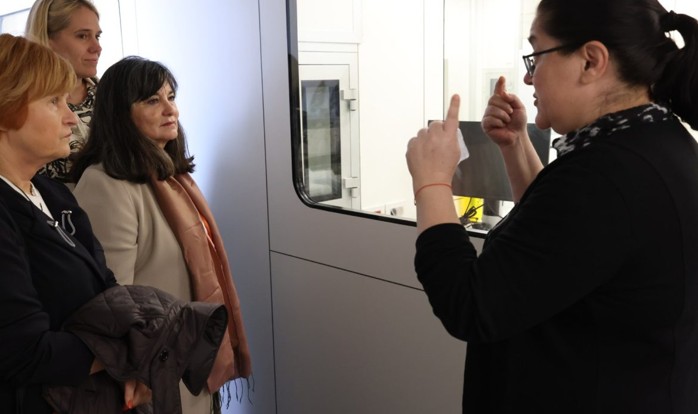
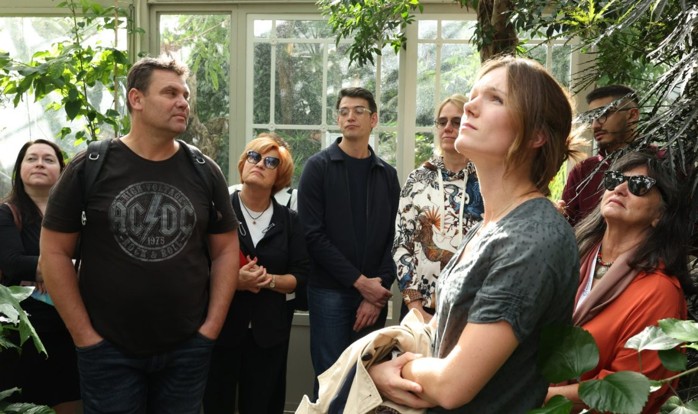
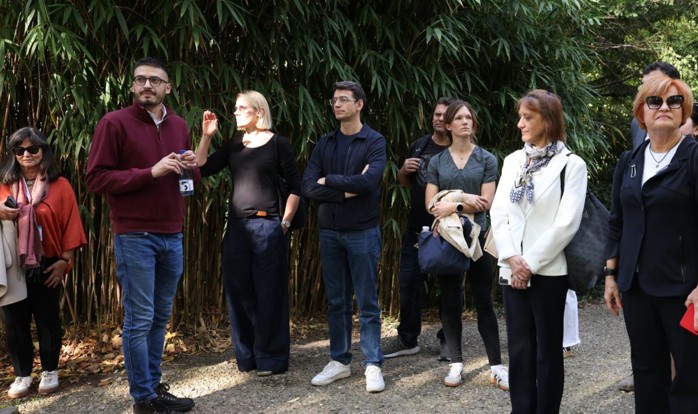
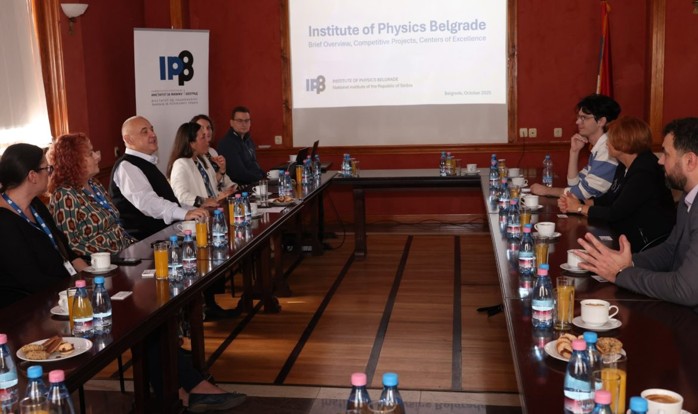
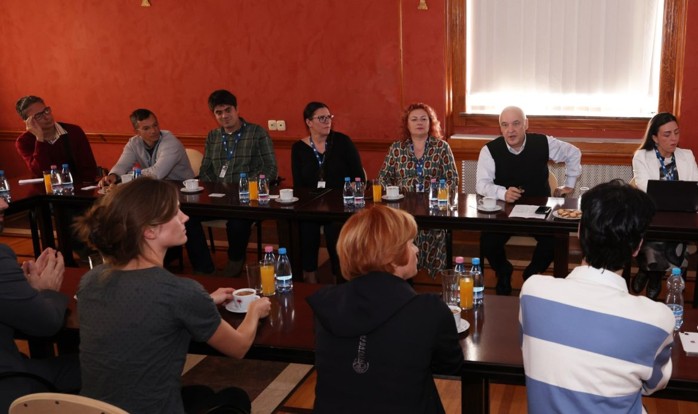
As part of the European Regional Meeting of the GRC, study visits were organized for participants, including visits to research organizations in Serbia. In Belgrade, participants visited the Institute for Molecular Genetics and Genetic Engineering of the University of Belgrade, the Botanical Garden “Jevremovac,” the Faculty of Biology of the University of Belgrade, and the Institute of Physics of the University of Belgrade. A visit was also organized to the Viminacium Archaeological Park and the Archaeological Institute of the University of Belgrade, which manages the archaeological site.
During these study visits, participants met with representatives of the institutions, who presented their work, national and international projects, and international cooperation activities. The meetings opened opportunities for discussions on future collaboration in research project implementation.
In addition to presentations on institutional work and research activities, representatives of European organizations had the opportunity to become more familiar with the work of Serbian researchers across various scientific fields, the achievements of Serbian science, as well as the country’s national, cultural, and historical heritage through visits to the Botanical Garden “Jevremovac” and the Viminacium Archaeological Park.